Why Your Grass May Be Yellow, Thin, or Struggling: Lawn Fertilization in Fayetteville, GA
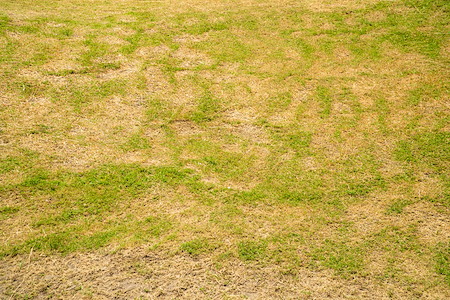
Seeing yellow grass, thin patches, or a lawn that just will not bounce back is frustrating. In many Fayetteville neighborhoods, the mix of warm, sunny fronts and shaded backyards meets heavy Georgia red clay. That combination makes nutrition timing and soil health critical. If your yard looks tired, a locally tuned plan for lawn fertilization is often the difference between a pale yard and a thick, even green.
Below is a clear look at what those symptoms mean in our area and how a professional plan from Sam’s Personal Landscaping brings color and strength back without guesswork.
What Yellow Or Thin Grass Looks Like In Fayetteville, GA
“Yellow” and “thin” can describe many issues. Spotting the pattern speeds up the fix. Across Fayette County, homeowners commonly notice these signs:
- light green or straw-yellow bands after a hot week or right after mowing
- pale blades under large oaks or along the north side of a home where the sun is limited
- streaks or blotches that appear after heavy rain, especially in low spots
- small straw-colored circles with deep green edges in areas used by pets
Do not assume yellow grass always needs more fertilizer. Sometimes extra product makes the problem worse if the cause is shade, compaction, or disease stress.
Common Reasons Lawns Turn Yellow Or Struggle
Fayetteville sits in a warm-season turf zone where bermuda and zoysia dominate sunny areas, and tall fescue fills some shade. Here is what most often drives yellowing or thinning:
- cutting too short after a growth spurt, which exposes stems and scalps the lawn
- timing or balance issues with nutrients like nitrogen and iron, so color stalls instead of deepening
- compaction from foot traffic and clay-heavy soils that limit air and root growth
- too much water in shaded or low areas, which can look like nutrient problems
- heat stress along driveways, sidewalks, and south-facing slopes where reflected heat bakes the turf
- disease pressure in humid months, such as patchy, tan areas that spread after storms
- pest activity that thins turf quickly, especially during late summer
- pet urine spots that create straw-yellow circles with dark green rings
Each of these shows up differently on bermuda, zoysia, and fescue, which is why a one-size-fits-all fix rarely works.
How Local Soil And Weather Shape Lawn Health
Georgia red clay is nutrient-friendly, but it is tight. Roots need oxygen to absorb what fertilizer provides. When clay compacts, blades lose color even if the schedule looks right on paper. At the same time, our warm, humid summers push quick growth. Sudden rain, followed by bright sun, can create a yellow cast where stems were exposed from a low cut or where roots are shallow.
Overwatering can be as damaging as not watering at all. In shaded strips behind fences or under trees, water lingers, roots slow down, and blades turn pale. On the flip side, hot, reflective edges by concrete dry fast and show stress first. A plan that respects these micro‑zones protects color across the whole yard.
Grass Types In Fayetteville And The Problems They Face
bermudagrass: Loves sun and heat, but shows yellow scalping lines when cut too short after a burst of growth. Shallow roots from compacted clay lead to washed-out color and weak recovery after foot traffic.
zoysiagrass: Dense and beautiful in full sun, but it dislikes aggressive cutting. If deck height dips, zoysia often shows straw-yellow tips and a dull look that lingers.
tall fescue (shade pockets): Stays richer in spring and fall, then struggles in deep summer shade. Thin blades under tree canopies can appear nutrient-poor when the real limits are light and compaction.
What A Professional Fertilization Plan Actually Solves
Fertilizer is not just “more green in a bag.” The right plan balances nutrients, targets timing, and respects our climate. Here is what a good program from Sam’s Personal Landscaping addresses:
Seasonal timing that fits warm-season turf. Balanced nutrition that supports steady growth rather than color spikes that fade. Micronutrient tweaks, such as iron for a deeper green when the lawn is actively growing. And a schedule that avoids pushing tender growth right before a heat wave.
Most importantly, your plan should be paired with the soil work the grass needs. If your yard feels firm underfoot or shows tire ruts after rain, a round of lawn aeration opens the soil so roots breathe and nutrients can actually do their job.
When your lawn is ready for nutrition, our fertilization service supports density, helps crowd out weeds, and keeps color consistent from curb to back fence. That is how you move from a “good week” to a steady, healthy season.
When It Is Not A Fertilizer Problem
Yellow or thin areas can be disease or pest driven, especially during humid stretches. Patchy, tan areas that spread after storms may point to disease stress. Fast, uneven thinning in late summer can indicate insect activity. In either case, a short inspection saves weeks of guesswork. That is also why a fertilization plan often pairs with smart weed control so the turf canopy stays dense and resilient.
Cutting too short can look like nutrient burn. If you notice pale stripes right after mowing, the deck may have exposed stems, not a fertilizer miss. Keeping the mowing height in a healthy range protects color and helps every treatment work better.
Reading The Clues Your Lawn Gives You
The pattern, not a single blade, tells the story in Fayetteville lawns. Consider how these clues point to root causes:
- uniform pale color after heavy rain: often compaction or shallow roots, not a lack of product
- yellowing in the sunniest strip by a driveway: heat and reflected light are stressing roots
- pale, thin turf under a maturing shade tree: light limits and soft soil, not a quick fix from a bag
- small straw circles with a greener halo: likely pet spots, not a whole-yard nutrition issue
If your lawn sounds like any of these, it is time to match nutrition with soil support and mowing height. That is where a local plan beats a national chart.
The Fayetteville Advantage: Local Timing And Routes
From downtown blocks to streets near Trilith, our weather swings can be quick. A professional keeps your plan in rhythm with rain bursts, heat spells, and shade shifts. When timing is right, color lasts longer and the lawn holds up to family traffic, weekend cookouts, and kids’ games. It is not about doing more. It is about doing the right work at the right moment for this climate.
Because location matters in search too, many homeowners find us while looking for lawn fertilization in Fayetteville, GA. That phrase fits what we do every day: tune nutrition and soil health to our microclimate so yards stay green longer.
How Sam’s Personal Landscaping Puts It All Together
We start with a quick property walk. We note shade, traffic, and drainage, then build a plan that pairs soil relief where needed with precise nutrition. That plan keeps your lawn in the healthy height range and feeds it when it can use the nutrients best.
Here is the big idea: the right fertilizer at the wrong time will not fix a yellow lawn. The schedule, soil, and mowing height must work together. When they do, color deepens, thin areas fill in, and your lawn holds that look through our hottest weeks.
If your yard is showing yellow bands after mowing or pale patches that linger, Sam’s Personal Landscaping can align the pieces. We combine tuned mowing height, soil care, and a responsible nutrition schedule so the results show on the curb and last through the season.
Ready To See Green Again?
Yellow grass and thin turf do not have to be your new normal. A locally precise approach to fertilization matched to your soil and grass type brings back steady color, thicker blades, and dependable curb appeal. To get started, call us at 404-916-4016 and ask for a quick lawn review in your Fayetteville neighborhood. We will map the cause, time the fix, and keep your yard strong through every season with Sam’s Personal Landscaping.
Have Sam’s Personal Landscaping Be Your Go-to Lawn Care Company In Fayetteville And Surrounding Areas