
How Often Should You Schedule Weed Control in Roswell, GA?
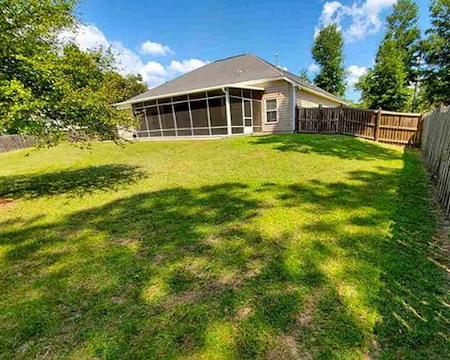
Here in Roswell, GA, weather swings, heavy red clay, and mixed turf types make weeds stubborn. If you want a lawn that looks clean in May and still looks sharp in September, the answer is not a one-time spray. It is a steady, local schedule built around prevention. That is exactly what our weed control service is designed to deliver for North Fulton homes.
Below, you will see how often to plan visits through the year, when to tighten the cadence, and why consistency beats chasing outbreaks. Whether you live near Historic Roswell, Martins Landing, Horseshoe Bend, or off Holcomb Bridge, the same rhythm applies.
What Roswell Lawns Face Each Season
Roswell sits in North Georgia’s transition zone, where bermuda and zoysia thrive in sun while shade pockets often rely on fescue. Quick storms, summer heat, and compacted clay open up gaps where weeds move in. You will notice pressure on curb strips, along sidewalks, and sunny corners first. That is why a calendar approach matters as much as the product list.
The Ideal Visit Cadence For Roswell, GA Weed Control
Most Roswell lawns do best with a professional program that runs regularly across the year. Think of it like dental checkups for your yard: show up on time, prevent the problem, and touch up anything that sneaks through. In practical terms, that means a recurring plan rather than sporadic treatments.
- Late winter into early spring focuses on blocking the first flush of troublemakers before they sprout.
- Spring to early summer stays on top of new germination and edges that heat up near concrete.
- Mid to late summer protects gains without stressing turf during the hottest weeks.
- Early fall closes the door on cool-season invaders that try to move in as nights cool down.
When visits keep a steady rhythm, the seed bank shrinks, turf thickens, and outbreaks fade. Skipping a window, on the other hand, lets a new wave pop up and undo months of progress.
How Often Should You Schedule Weed Control Visits?
The short answer: plan a consistent, year-round schedule with visits spaced on a regular cadence. That timing varies by lawn size, sun and shade mix, and weed pressure, but the principle is the same. **Consistency beats one-off treatments every time.** If recent weather swings or heavy foot traffic have thinned areas, your provider may tighten the interval temporarily, then return to the normal rhythm once density rebounds.
What Can Change Your Timing
No two Roswell lawns are identical. A corner lot in Brookfield that bakes in afternoon sun behaves differently than a shaded yard off Eves Road. These common factors tell a pro when to tighten or loosen the schedule:
- Soil compaction from North Georgia clay, especially in high-traffic routes to the mailbox or backyard gate
- Mixed turf types, like sunny bermuda in front and fescue in back, which need different timing
- Edges along driveways, patios, and sidewalks that heat up and break down coverage faster
- Drainage patterns that keep certain strips damp, inviting sedges and other moisture lovers
- Tree shade that weakens turf density on one side of the yard more than the other
Why Prevention Windows Matter More Than “Chasing Weeds”
Stopping weeds before they emerge is like locking the door before guests arrive. Once the timing window passes, new seedlings replace what you just knocked back. **Scheduling before weeds germinate gives the biggest payoff** because you reduce the total number trying to invade all season. That is why a dependable plan beats calendar hopping based on what you see this week.
Local insight: Roswell lawns often see quick spring warm-ups followed by pop-up storms. That combination can stress turf even while weeds are germinating. A steady, professional schedule anticipates those shifts so your yard holds its gains without risky timing.
How Fertilization Supports Weed Control
Weeds love thin, hungry turf. Well-fed grass grows thicker and shades the soil, which makes it harder for invaders to take root. Pairing weed prevention with the right feeding plan boosts density and color while you keep the pressure down. If your lawn has lost its punch lately, explore our fertilization service to help your grass outcompete weeds naturally.
Where Weeds Break Through First In Roswell Neighborhoods
In East Roswell and neighborhoods near Riverside Park, heat off concrete and compacted corners are common weak spots. Along driveway edges in Willow Springs or curb strips by Grimes Bridge Road, thin bands often appear first. **Edges, seams, and high-traffic turns deserve special attention** during visits because they are the most likely to reinvade between appointments.
When To Tighten The Schedule
Even with a solid plan, life in Roswell throws curveballs. After a patio renovation, a season of heavy entertaining, or tree work that changes sun exposure, small gaps can open. That is the moment to shorten intervals briefly so new weeds do not get a foothold. If you have noticed repeat issues along a sidewalk or a sunny corner by the mailbox, ask for a targeted pass on those lines during the next visit.
How Many Visits Per Year Is “Enough”?
Enough is the number that prevents the next wave at the right time. For many Roswell lawns, that looks like regular, professional care across the year with extra focus at key prevention windows. **A calendar that spaces visits through the seasons is your best hedge against a comeback.** You will spend less energy on surprises and more time enjoying a lawn that stays even from week to week.
Signs Your Current Cadence Is Too Loose
Roswell homeowners often describe the same patterns when timing slips. If you are seeing any of the following across Historic Roswell, Horseshoe Bend, or Martins Landing, it is time to adjust the schedule:
- New patches that double in size between mows, especially along sidewalks or sunny strips
- Tufts or mats that sit taller than the rest by midweek
- Flat rosettes hugging the soil that seem to pop back after every cut
- Thinning turf where the soil feels hard underfoot, followed by weedy specks
Want a deeper dive into why outbreaks repeat even after you have addressed them? Read our short explainer on why weeds keep coming back after diy treatments to see how timing, turf type, and soil health intersect.
What Homeowners Gain From A Steady, Local Program
Roswell’s weather is not predictable week to week, but its patterns are reliable year to year. A schedule tuned to those patterns gives you steadier color, fewer edge outbreaks, and a thicker canopy that blocks sunlight at the soil line. Over time, the seed bank shrinks and the lawn does more of the blocking for you. That is why a consistent plan with professional weed control stays ahead of problems rather than reacting to them.
Why Choose Sam’s Personal Landscaping For Roswell, GA
At Sam’s Personal Landscaping, we map sun and shade across the entire yard, pay special attention to high-heat edges, and time visits to protect turf on hot, bright days. We coordinate weed prevention with nutrition so your grass can hold the line between appointments. If you want a simple, reliable plan that fits Roswell’s climate and neighborhood conditions, start with a calendar that does not miss the key windows.
Your Next Step
If you are ready to lock in a schedule that maintains results instead of chasing them, begin with a visit plan tailored to your address. You can learn more about our approach by visiting reliable Roswell, GA weed control and seeing how a steady rhythm keeps lawns clean across seasons. Or call us today at 404-916-4016 to talk through your yard’s sun, traffic, and soil.
When you want consistent curb appeal from spring cookouts to fall football weekends, choose a rhythm that prevents the next wave before it starts. Our team at Sam’s Personal Landscaping is ready to build a simple calendar that fits your grass, your shade, and your schedule.
Have Sam’s Personal Landscaping Be Your Go-to Lawn Care Company In Fayetteville And Surrounding Areas