
How Often Should You Mow Your Fayetteville Lawn (Without Scalping It)
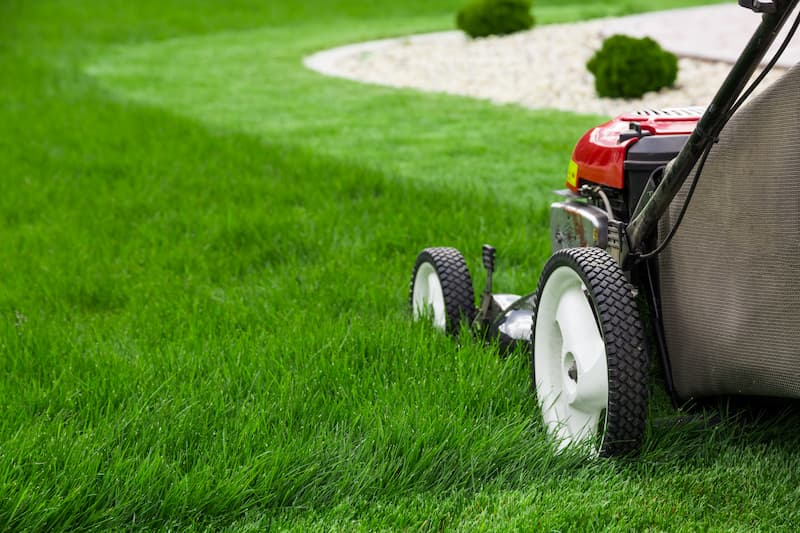
Your lawn grows fast in Georgia heat, but rushing to cut it short can do more harm than good. If you want a green, even yard in Fayetteville that never looks shaved or patchy, the right mowing cadence and height matter. Here’s a clear, local guide you can use to plan service with our mowing service and keep your grass healthy through every season.
What Controls Mowing Frequency In Fayetteville
Fayetteville sits in Georgia’s warm-season turf zone. Most sunny yards feature bermudagrass or zoysiagrass, while shaded areas may use tall fescue. Summer brings long, hot days and pop-up storms. Spring and early fall deliver quick growth spurts.
Across neighborhoods near Downtown Fayetteville, along Redwine Road, and the Highway 54 corridor, lawns react to the same big drivers: temperature swings, rainfall, sun exposure, soil, and how recently the turf was fed or aerated.
- Grass type: bermuda and zoysia surge in summer; fescue pushes hardest in spring and fall.
- Weather: heat and rain speed growth; drought and cold slow it down.
- Sun and shade: full sun grows faster; tree cover slows blades but thins turf if cut too short.
- Recent care: fertilization and lawn aeration can boost growth bursts.
Not sure which turf you have? This quick read on local options can help you recognize the lawn under your feet: types of grass for your yard.
How Often Should Lawn Mowing In Fayetteville, GA Happen?
Instead of a one-size-fits-all calendar, pros time visits to growth. During active growth, weekly cuts are common. When growth slows, biweekly is often enough. In full dormancy, some warm-season lawns won’t need service at all, aside from cleanup.
Here’s a simple way to think about it: if the grass grew enough that a normal cut would remove more than a comfortable slice, service should happen sooner. Turf health comes first, curb appeal follows right behind.
The No-Scalp Rule: Heights That Protect Your Turf
Scalping happens when too much leaf tissue is removed at once, exposing stems and soil. That invites weeds, heat stress, and bare spots. Turf professionals in our area follow two core principles to avoid it:
- Never remove more than one-third of the blade length at a time.
- Raise mowing height during extreme heat or drought stress.
Typical maintenance ranges our crews use in Fayetteville:
Bermudagrass: common bermuda often looks best around 1 to 2 inches in active growth. In peak heat, we keep it toward the upper end to protect roots.
Zoysiagrass: usually maintained between about 0.5 to 2 inches depending on variety and sun. Dense zoysia dislikes being cut too low. Keeping it modestly higher helps prevent yellowing and stress.
Tall fescue (shade pockets): tends to stay healthier a bit taller, in the 3 inch range during spring and fall growth runs. In summer, keeping it on the higher side supports deeper roots.
These ranges let grass photosynthesize, shade its own soil, and fight off heat. Cut below them and the lawn works overtime to recover instead of thickening up.
Seasonal Schedule For Fayette County Lawns
Every yard is different, but this Fayetteville-focused overview shows what many homeowners experience across the year. Our team tunes visit frequency to actual growth so the lawn never gets pushed too low.
Late winter to early spring: Warm-season turf begins to wake up as soil temperatures rise. Growth is still slow, so mowing is light and timed to avoid removing too much leaf at green-up. A first even-up cut keeps things tidy without shaving tender blades.
Mid to late spring: Growth accelerates. Weekly visits are common for bermuda and zoysia to keep height in the healthy range, reduce clumping, and protect color. Edge lines stay crisp and even.
Summer: Sun, humidity, and storm bursts can push quick top growth. Weekly mowing is often ideal, with careful deck height to avoid stress during heat spells. If a dry stretch slows growth, spacing visits out protects turf vigor.
Early fall: As nights cool, growth remains steady. Weekly or biweekly mowing can maintain a consistent, deep green before warm-season grasses taper off.
Late fall to winter: Bermudagrass and zoysiagrass go dormant in most full-sun Fayetteville yards. Many lawns need fewer cuts, focused on leaf cleanup and keeping the lawn neat after windy fronts.
Why Cutting Too Short Backfires
Scalping looks harsh because it is. Removing too much leaf all at once exposes stems, bakes the soil, and weakens roots. The turf then spends weeks recovering, which leaves space for weeds and thins out the lawn.
Shortcuts tend to create more work later. A lawn that’s consistently trimmed within its healthy height rebounds faster after heat waves, handles foot traffic better, and keeps color more even street to street.
What A Pro No-Scalp Plan Looks Like
Here’s how a professional schedule from Sam’s Personal Landscaping keeps yards in neighborhoods across Fayetteville neat without risking the turf’s health:
- Visit timing matches actual growth so one-third or less is removed per cut.
- Deck height targets your grass type and sun exposure, staying within healthy ranges.
- Sharp blades make a clean cut that helps color stay rich and uniform.
- Edging, trimming, and cleanup keep walkways and beds tidy every time.
This approach protects the lawn’s energy reserves and supports a dense canopy that naturally suppresses weeds. It also smooths out the “highs and lows” you see when growth surges after a thunderstorm.
Frequency Examples For Common Fayetteville Lawns
Remember, the best calendar is the one your grass writes. Still, here are realistic patterns our crews follow across the area:
Sunny bermuda front yard: weekly in late spring through summer; biweekly as growth slows in fall; minimal winter shaping if dormant.
Zoysia backyard with partial shade: weekly or 7–10 days in peak summer to stay within its healthy height; biweekly in shoulder seasons.
Mixed lawn with shady fescue side strip: weekly in spring and fall for the fescue section; adjust to growth in summer to prevent stress.
The result is a lawn that stays lush and even, without bare patches from aggressive cuts.
Local Conditions That Can Change Your Schedule
Clay-heavy soils common in our part of Georgia hold moisture after big rains. On the flip side, hot, breezy weeks dry turf quickly. Both extremes change how fast blades stretch between visits.
Tree cover along older streets can slow growth but also makes grass more sensitive to being cut too short. Newer builds with full-sun front yards see rapid growth bursts after fertilizer or rain. A steady, professional eye keeps the schedule right-sized for these swings.
Want a single, trusted source for lawn mowing in Fayetteville, GA that adapts to your lawn’s real growth? That’s exactly what our team delivers week after week.
How We Help You Avoid Scalping, Step After Step
Scalping prevention isn’t a one-time setting. It’s a pattern. Our crews monitor how your lawn responds over time, then fine-tune height and timing as conditions change. That reduces stress on roots and keeps color even near curbs, sidewalks, and driveway edges where heat can build.
Keeping mower blades sharp is essential for a clean cut and healthy color. Paired with a height that fits your turf and the weather that week, sharp blades help the lawn hold moisture, resist pests, and thicken up instead of thinning out.
Because we’re local, we understand how fast a Fayetteville yard can change after a summer storm or a cool snap. You get a lawn that looks great today and stays strong next month.
When Your Lawn Sends “Time To Mow” Signals
Even with a steady schedule, your grass will tell you when it’s ready. Signs include uneven tops after a growth burst, tip burn from old scalps finally showing through, or clumps and shading that hint too much is being removed at once.
Our technicians adjust before those signals turn into problems. That’s the difference between just cutting grass and caring for a living landscape.
Ready To Love Your Lawn Again?
If your yard has been cut too short in the past, we can grow it back to a healthy, consistent height and keep it there. Many Fayetteville homeowners start with a weekly plan, then fine-tune as growth changes through the season. You can see what that looks like on our weekly mowing plan page, then choose a schedule that fits your property and calendar.
Call Sam’s Personal Landscaping at 404-916-4016 and we’ll build a no-scalp plan that fits your grass type, sun, and growth pace. When you want the easy button for a lush, even yard, our team is ready to help with a reliable mowing schedule you do not have to think about.
Prefer to start with a quick overview of your turf and timing? Our Fayetteville crew can walk your property, note sun and shade, and outline the service rhythm that keeps your lawn thick, green, and stress free.
Raise your mowing height during extreme heat and let the grass keep a bit more leaf. That’s one of the simple principles our team uses to protect color and avoid scalping during Fayette County’s hottest weeks.
Have Sam’s Personal Landscaping Be Your Go-to Lawn Care Company In Fayetteville And Surrounding Areas